
Liberia, Guanacaste
26 photos
Liberia is the capital of the province of Guanacaste
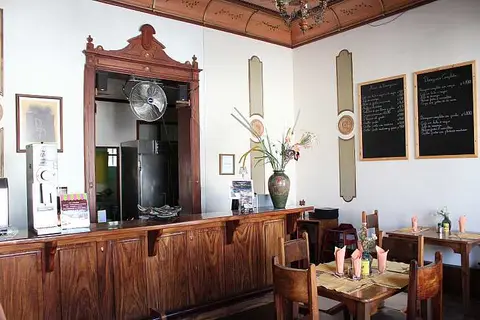 Cafe Liberia
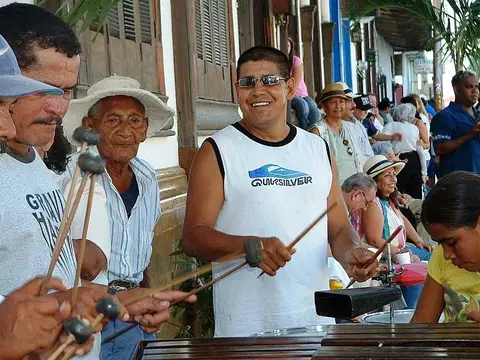 Marimberos
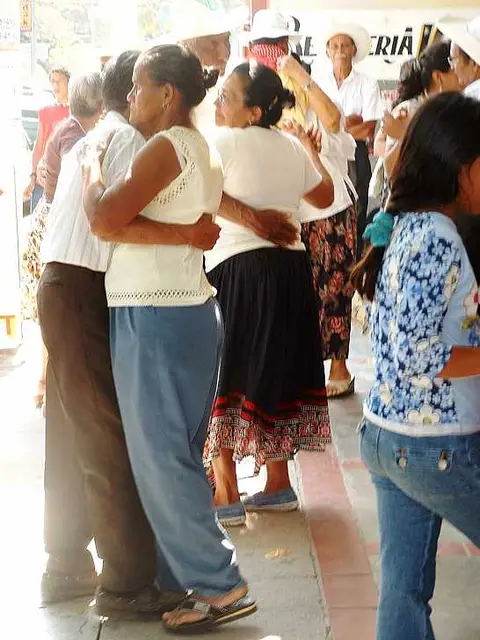 Dancing
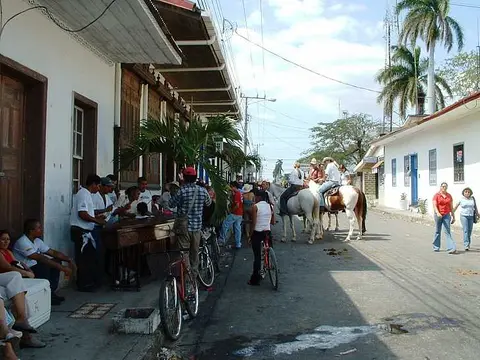 Music in the Streets
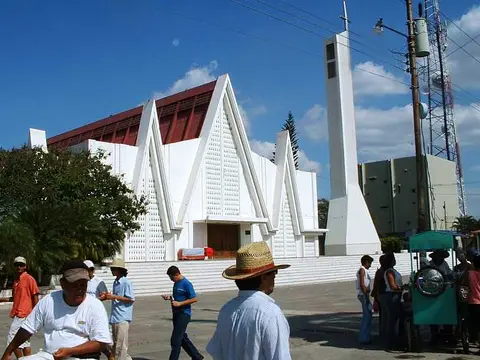 Liberia Church
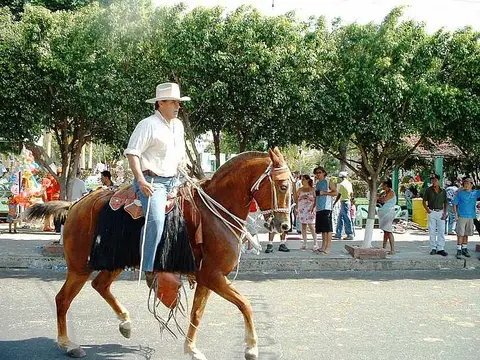 Tope
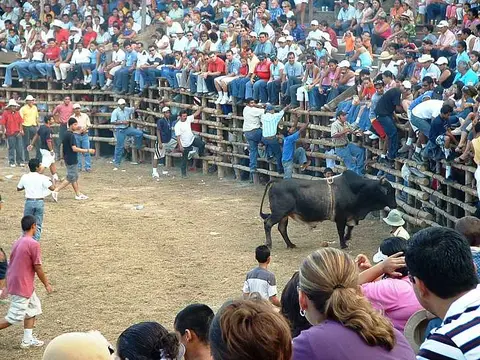 Corrida de Toros
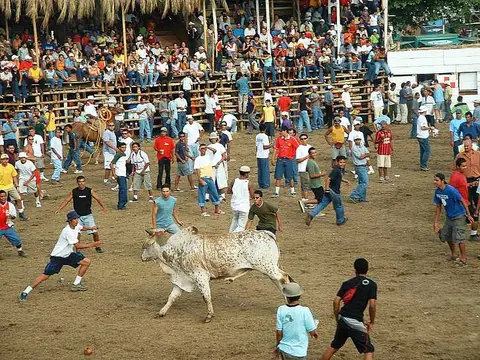 Toros a la Tica
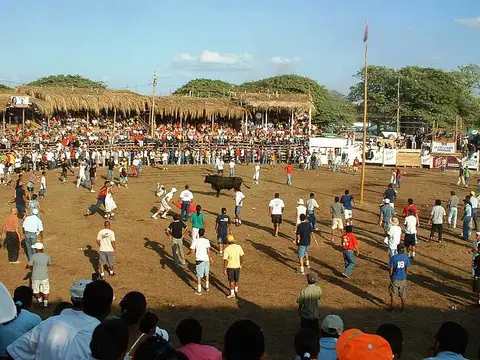 Fiestas de Liberia
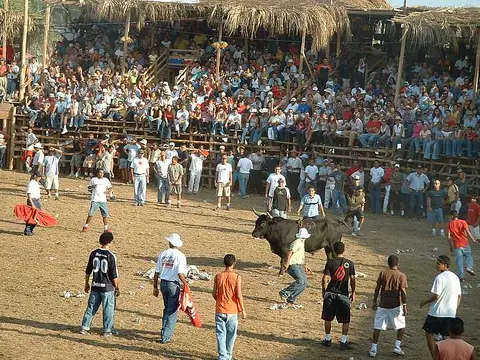 Bull Fights "Tico Style"
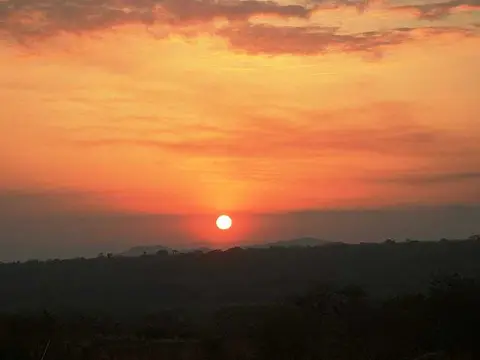 Liberian Sunset
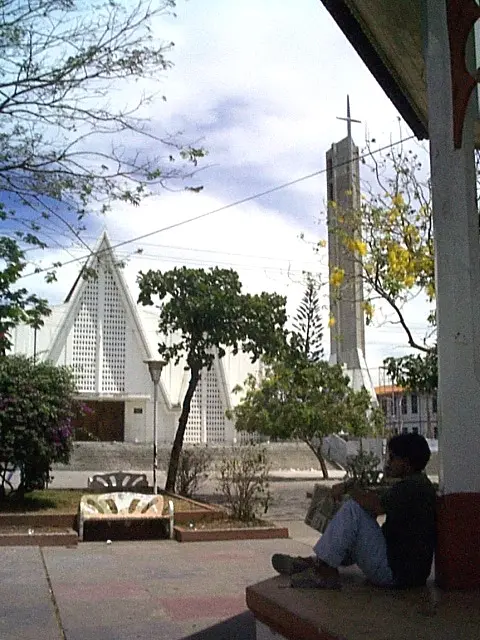 Liberia Church
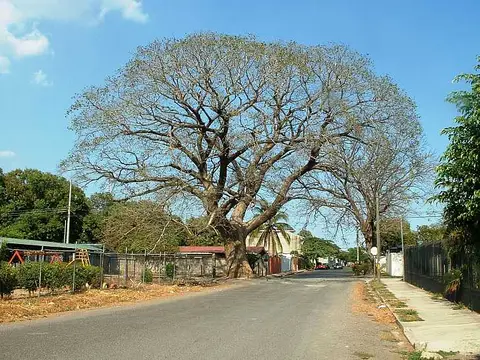 Guanacaste Tree
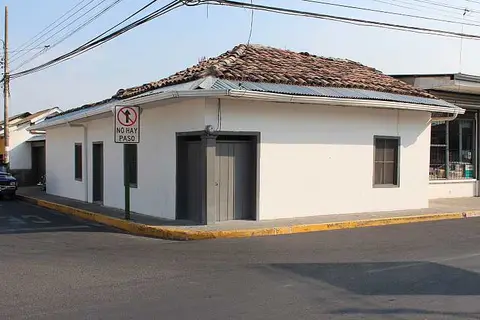 Casa Susana Rivera Rovira
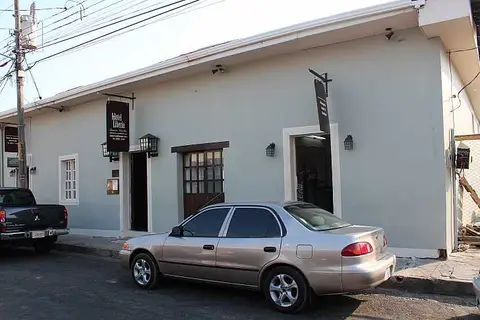 Hotel Liberia
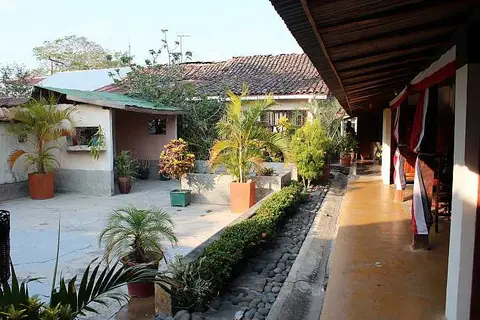 Inside Patio
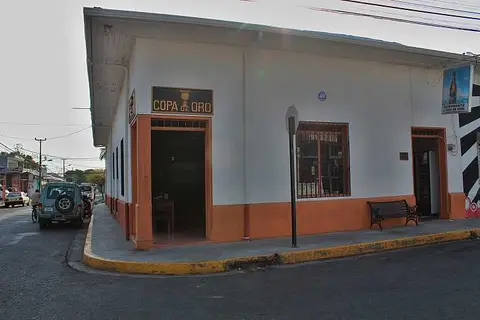 Restaurante La Copa de Oro
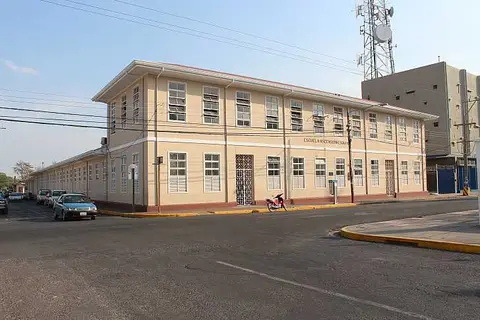 Escuela Ascensión Esquivel
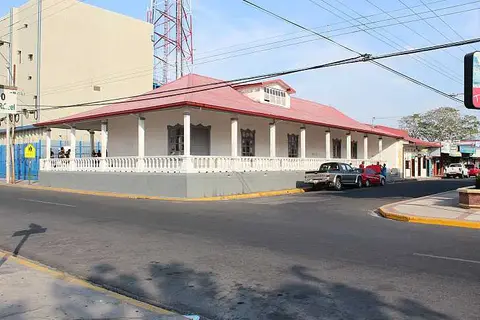 Gobernacion de Liberia
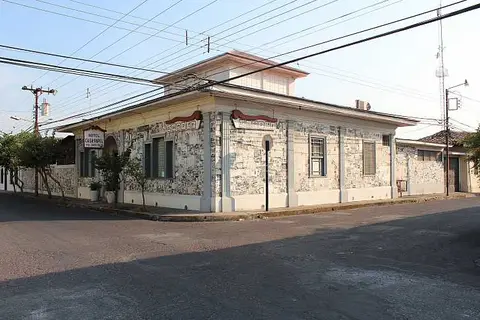 Hotel Casa de Papel
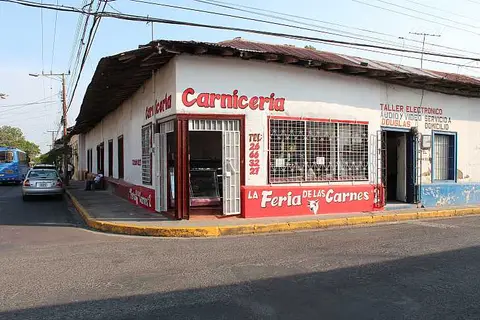 Carniceria
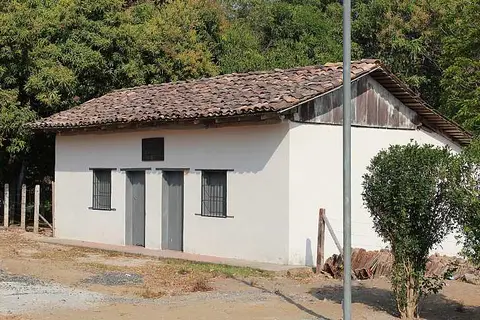 Casa Las Luisas
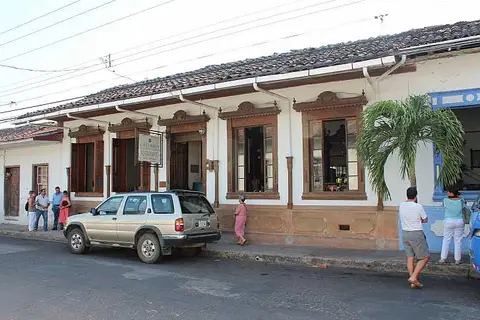 Cafe Liberia
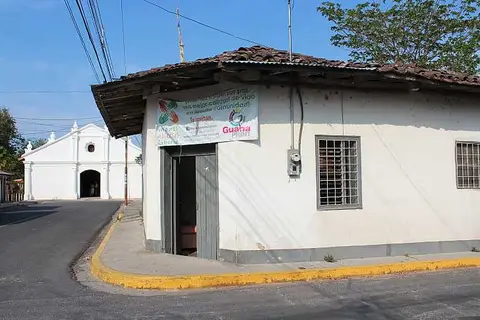 Casa Julio Leiva M
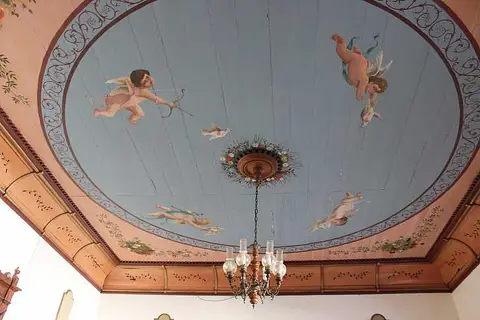 Roof and Chandelier
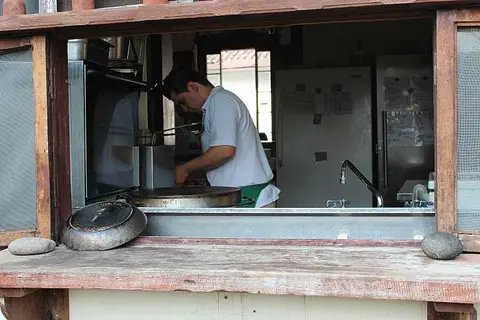 Kitchen Window
How did Liberia begin?
Liberia grew from a hermitage founded on 4 September 1769, with no formal act of foundation. It was renamed Villa de Guanacaste in 1831, Ciudad de Guanacaste in 1836 and Ciudad de Liberia by decree in 1854. Guanacaste joined Costa Rica later than much of the country. The Nicoya district voted to join in 1824, while the area around Liberia stayed with Nicaragua until it was added by the Central American federal congress in 1826. Liberia is now the capital of Guanacaste province.
Why is it called the white city?
Liberia's nickname is la ciudad blanca. Travel and local sources link it to the whitewashed colonial houses of the old town. The classic form of those houses uses adobe, a mud brick, or bahareque, a frame of canes plastered with earth, often with wood details. A 2025 study from the Tecnológico de Costa Rica calls this earth-and-wood heritage technically and formally distinctive within the country.
Where is the old town?
- The municipality formally delimited the historic center in 2007, the first declaration of this kind in Costa Rica.
- Most protected buildings stand on Calle Real and Avenida 25 de Julio.
- Some houses on Calle Real are recognised as national cultural heritage.
The photos show a two-storey school building, which the old caption dates to 1904, and corner buildings that now work as a restaurant and a shop.


What are the climate and landscape like?
Liberia has a tropical savanna climate. The national weather institute reports about 1,600 mm of rain a year, with a dry season from November to April and a wet season from May to October, and daily temperatures that typically range from about 22 to 33 degrees Celsius. To the north-east rises the volcanic region of Rincón de la Vieja, whose access rules change, so check with SINAC; see the volcanoes and national parks collections. Local dishes are covered under typical food and dishes.
These photos are older, and buildings and businesses on these streets may have changed.
Sources
Last reviewed November 6, 2026.