
Monteverde Cloud Forest
22 photos
Reserva Biologica Bosque Nuboso Monteverde
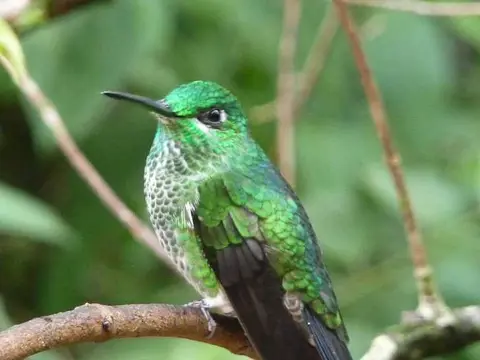 Beryl-crowed Hummingbird
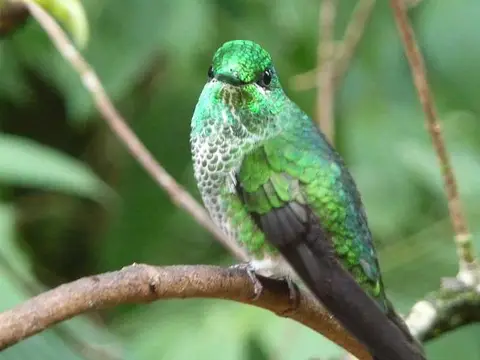 Beryl-crowed Hummingbird
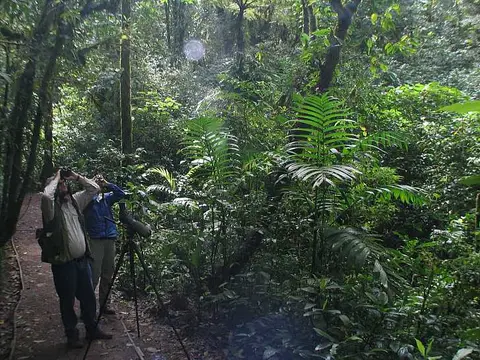 Birdwatching
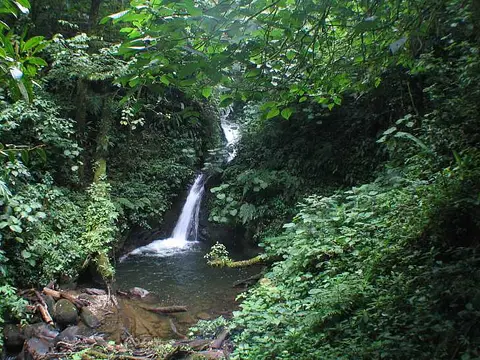 Catarata Monteverde
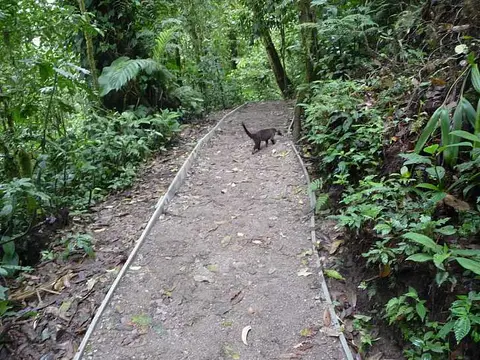 Coati crossing
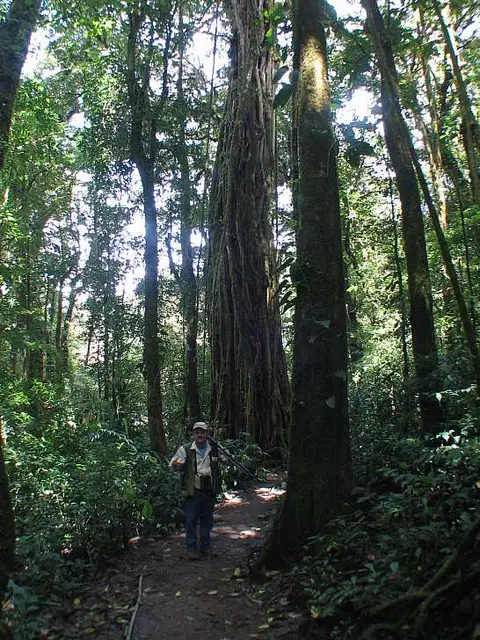 Erick Bello Carranza
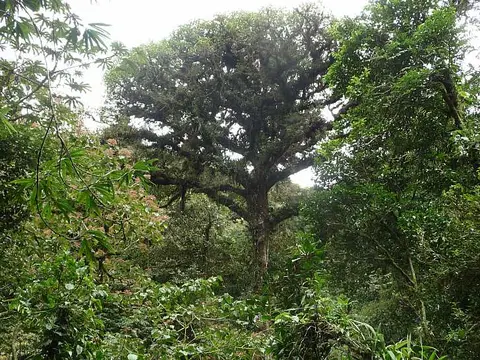 Fig Tree
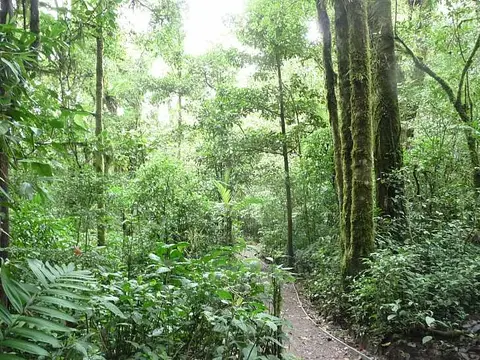 Forest Path
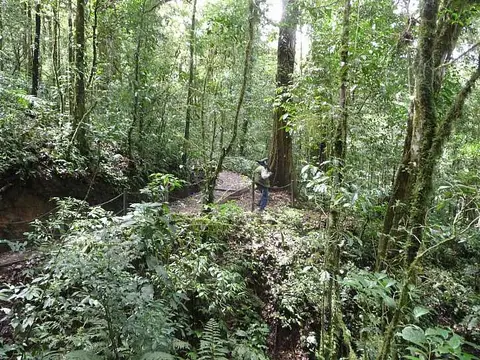 Inside the forest
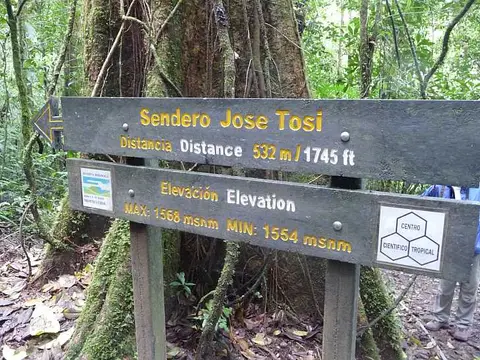 Jose Tosi Trail
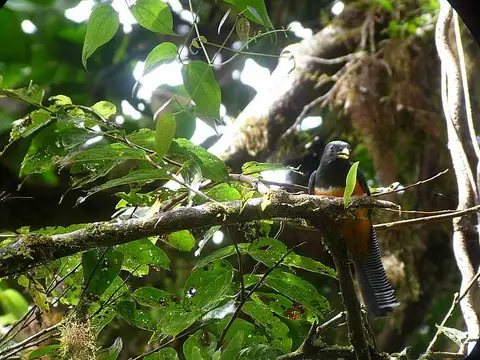 Orange-breasted Trogon
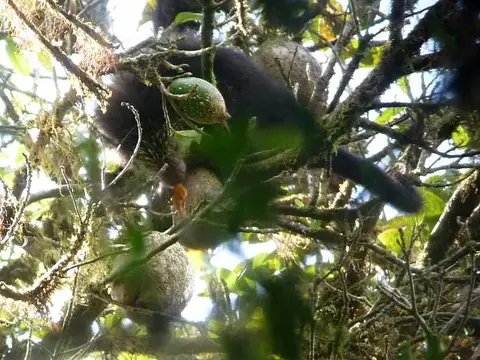 Porcupine
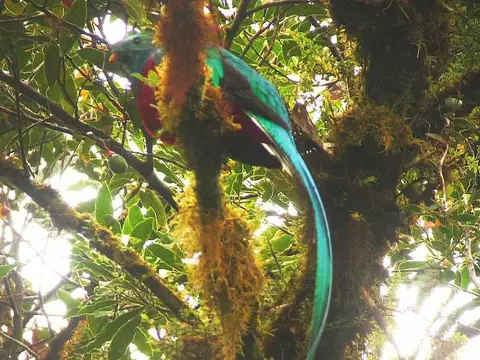 Quetzal
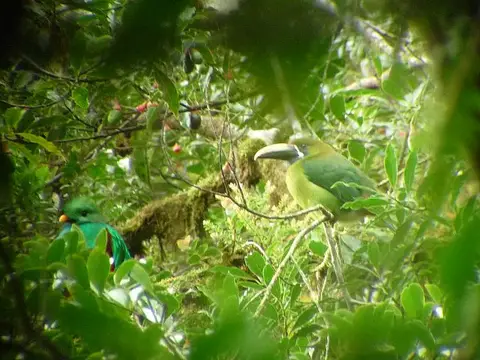 Quetzal & Tucan
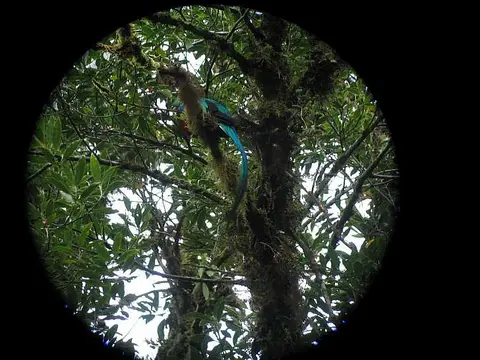 Quetzal's Tail
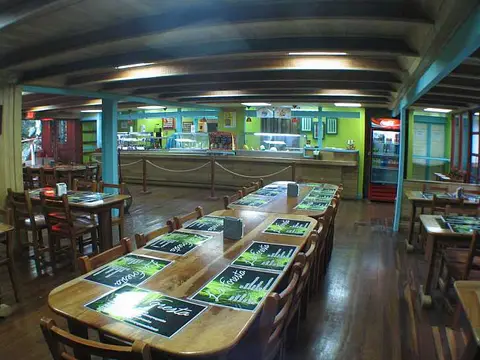 Reserve's cafeteria
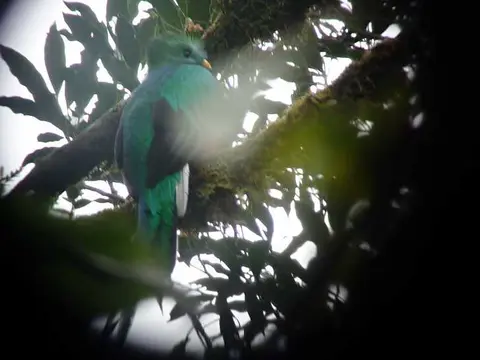 Resplendent Quetzal
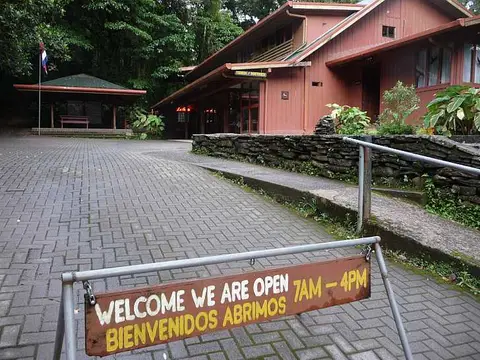 Restaurant and Shop
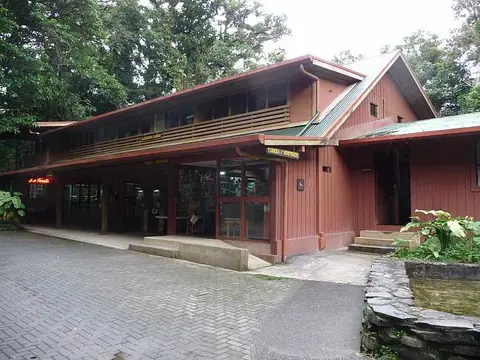 Souvenirs Shop
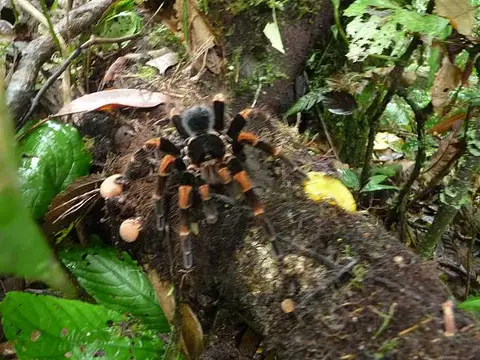 Tarantula
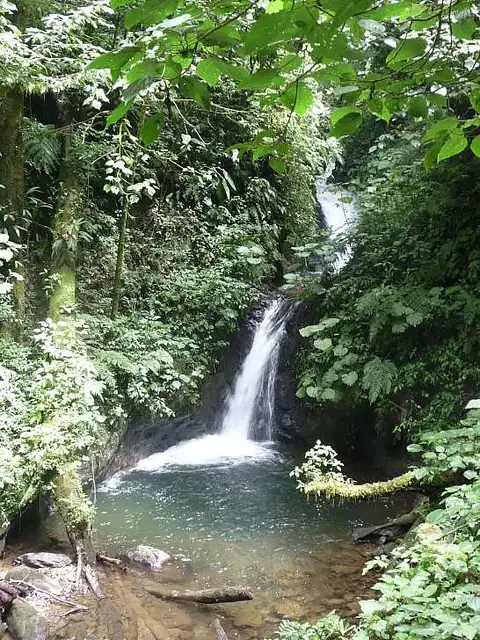 The Monteverde Waterfall
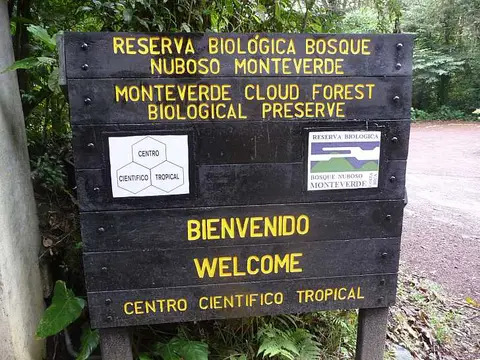 Welcome Sign
What is a cloud forest?
A cloud forest grows where moist air is pushed up a mountain slope, cools and condenses into cloud that sits on the trees. The cloud cuts direct sunlight, keeps the air humid and leaves water dripping from the leaves to the ground. Trees stay shorter and more densely packed than in the lowlands, and mosses, ferns, bromeliads and orchids cover trunks and branches. The forest path photo shows the green, damp, layered look this produces.

Who protected Monteverde, and when?
- In 1951 about eleven Quaker families from Alabama bought land here and named the place Monteverde, "green mountain".
- The reserve was founded in the early 1970s, with the Tropical Science Center, a Costa Rican non-profit research organization, acquiring and managing the land.
- Today it covers more than 10,500 hectares of mostly undisturbed forest in several life zones.
What lives in the reserve?
Published figures put the reserve at over 2,500 plant species, including a very large number of orchids, around 400 bird species and around 100 mammal species. The best-known bird is the resplendent quetzal (Pharomachrus mocinno). It moves seasonally from high nesting areas to lower elevations on both sides of the Continental Divide, so it is not equally easy to see all year. In the photo it perches in a tree covered with moss.

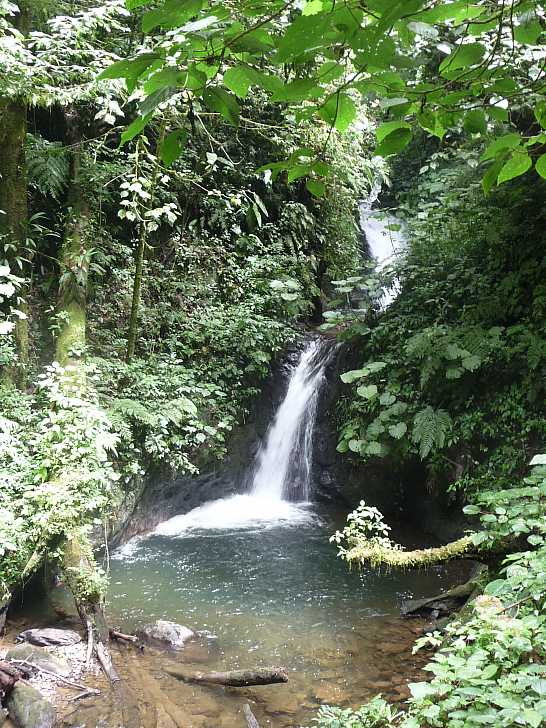
Smaller animals matter just as much to the ecosystem. The archive also shows a large tarantula beside the path, and a small waterfall inside the forest.
For related collections, see birds, orchids and reptiles and amphibians, as well as the wider list of Costa Rican protected areas.
Visiting
Entry limits, trail conditions and guided-walk rules at private reserves change often. Confirm them directly with the reserve before travelling. The photos here are older, so the paths and facilities may look different today.
Sources
Last reviewed November 6, 2026.