
Old Currency Notes
35 photos
A collection of old assorted currency notes from many different times in Costa Rican history.
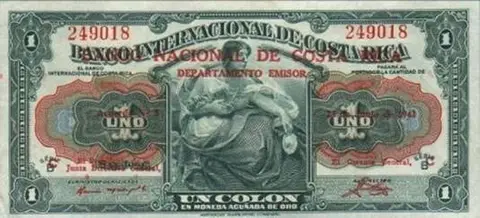 One Colon
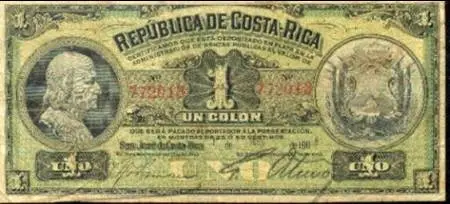 One Colon - 1906
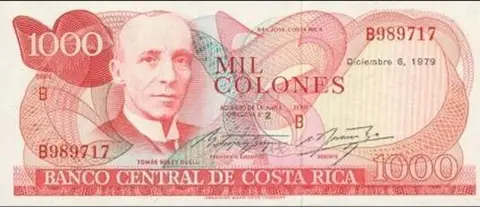 One Thousand Colones
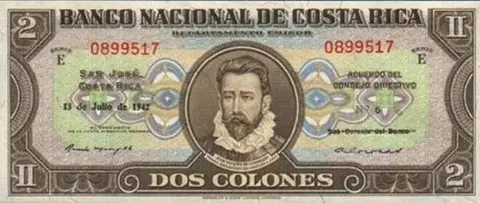 Two Colones
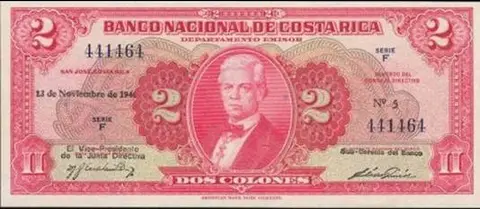 Two Colones
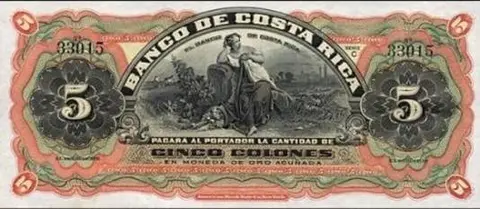 Five Colones
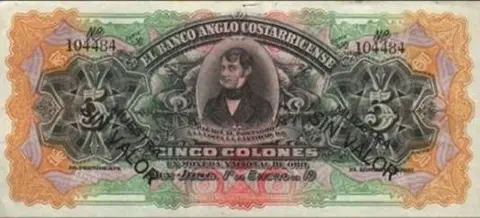 Five Colones
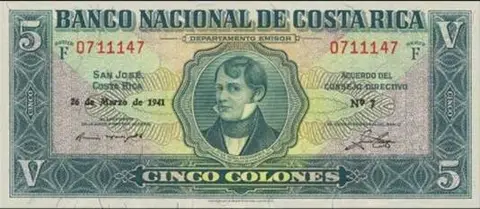 Five Colones
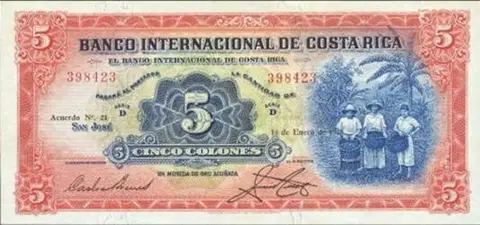 Five Colones
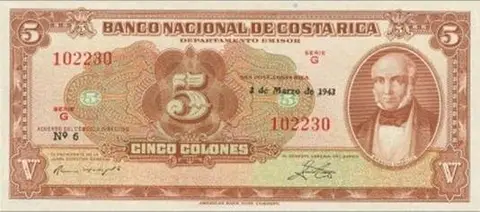 Five Colones
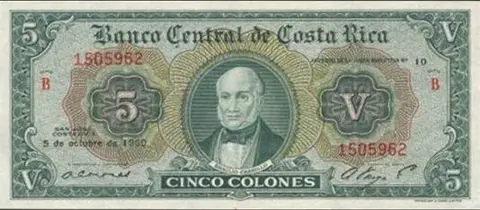 Five Colones
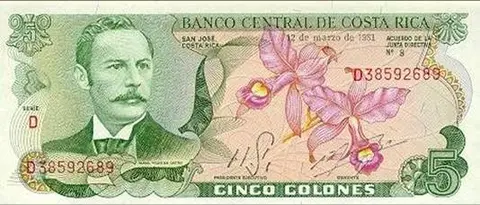 Five Colones
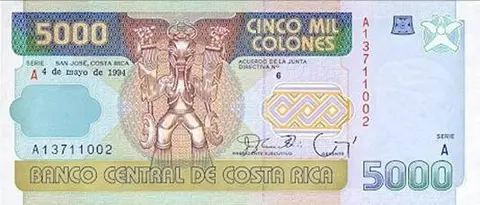 Five Thousand Colones
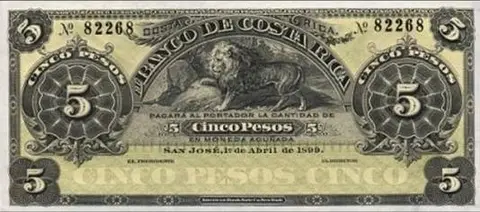 Five Pesos
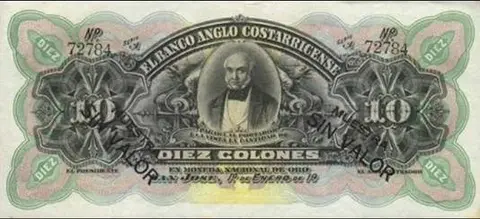 Ten Colones
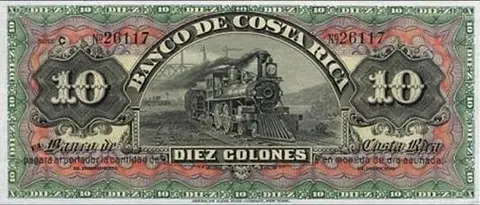 Ten Colones
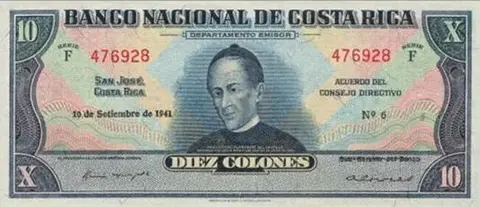 Ten Colones
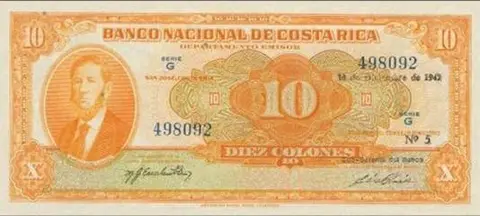 Ten Colones
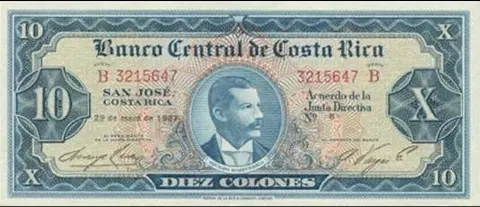 Ten Colones
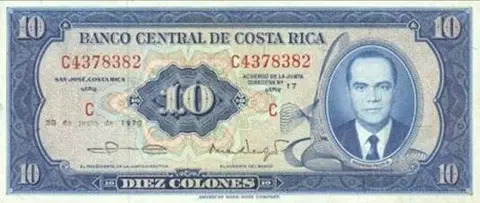 Ten Colones
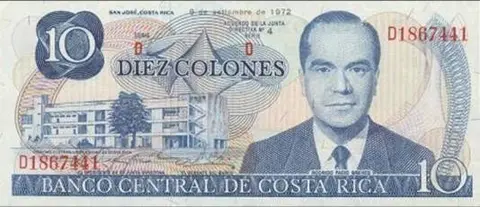 Ten Colones
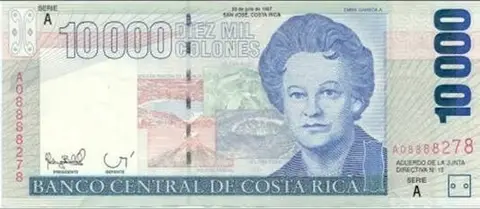 Ten Thousand Colones
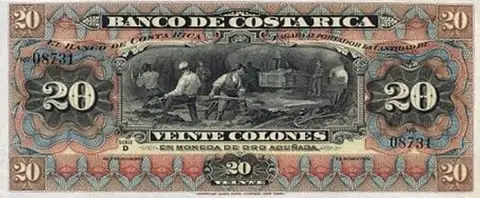 Twenty Colones
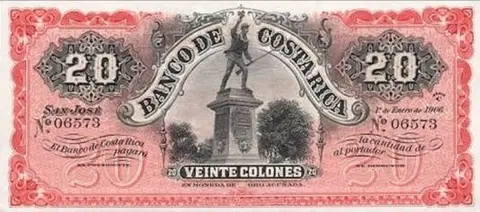 Twenty Colones
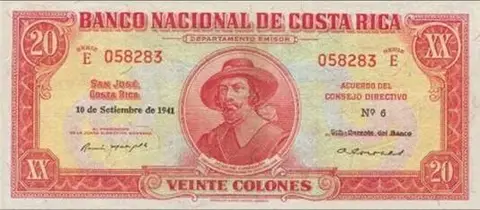 Twenty Colones
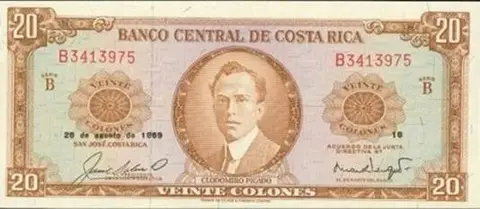 Twenty Colones
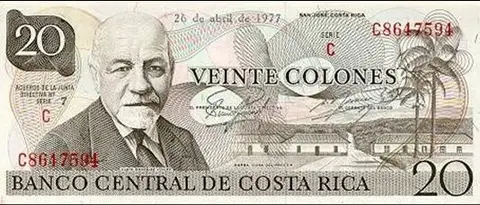 Twenty Colones
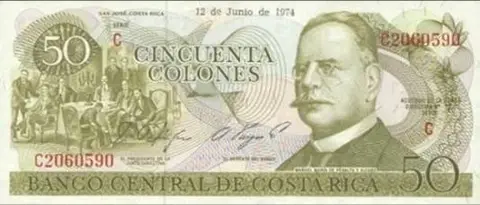 Fifty Colones
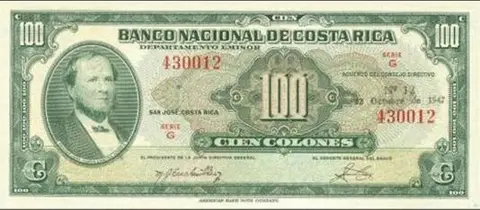 One Hundred Colones
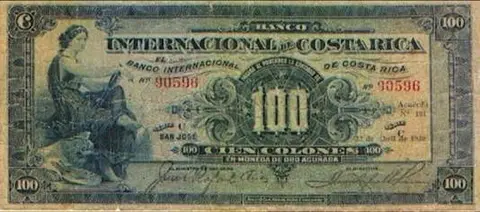 One Hundred Colones
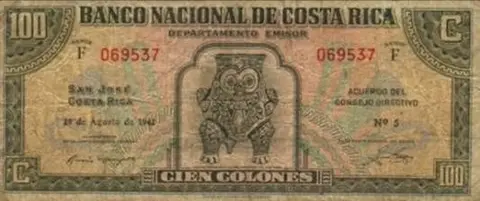 One Hundred Colones
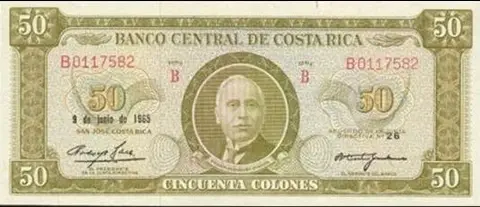 Fifty Colones
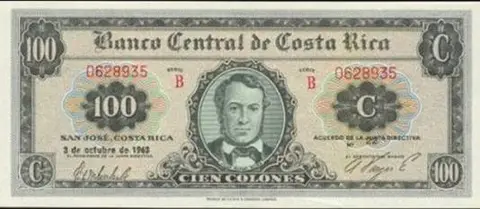 One Hundred Colones
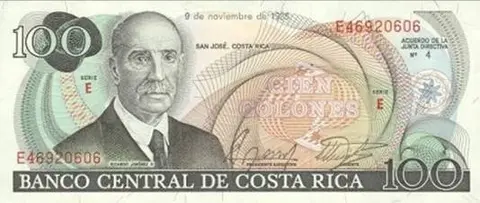 One Hundred Colones
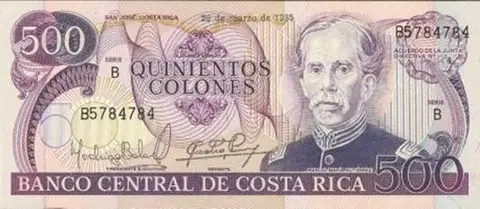 Five Hundred Colones
Which banks issued Costa Rica's early banknotes?
For a long time several banks printed their own notes, which is why the archive's photos show different names. Costa Rica's Banco Central itself only appeared in 1950. It gives this outline:
- 1858: the first bank in the country, the Banco Nacional Costarricense, issues notes of 1, 2, 10 and 20 pesos.
- 1896: a monetary reform makes the colón the country's currency.
- 1900: the Ley de Bancos lets any bank with a capital of one million colones issue notes.
- 1914: the Banco Internacional is created as the state's issuing bank.
- 1921: it becomes the only issuer, and private banks lose the right to issue notes.
- 1950: the Banco Central de Costa Rica is founded as the only body authorized to issue currency.
- 1951: the Banco Central begins its own issues, based on Banco Nacional designs and marked Serie Provisional.
What do the notes in the photos show?
The archive holds notes from the Banco Internacional, Banco Anglo Costarricense, Banco Nacional and Banco Central. The Banco Central note below is a fifty colones bill with a printed date of June 9, 1965. It has a portrait in an oval frame at center and the denomination in both top corners.

A twenty colones note from 1969 prints the name Clodomiro Picado beneath its portrait, so the person depicted is identified by the note itself.

The large ten thousand colones note below carries a date of 1987 and shows a woman's portrait alongside images of volcanic landscape on the left side. It is the highest value among the photographed notes.

Some captions give the issuing bank and year, and others add the person depicted. Where the note itself prints a name or date, as in the examples above, that printed text is the best evidence.
Related pages. Coins and notes are part of the national story told in the National Museum, and the Banco Central is in the capital, San José. Collectors should compare any note with the Banco Central's own pages on notes no longer in circulation, since the bank documents which series are retired.
Sources
Last reviewed November 6, 2026.